Family and Carers Coffee Morning
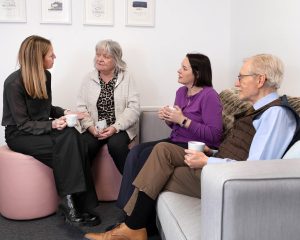
Every Thursday we hold a drop-in coffee morning in the Hospice Coffee Shop for family members and people who are caring for those with a life-limiting illness.
It’s a chance for people to take time away from the person they are supporting, to discuss their own concerns, give and receive support from others in similar situations and get advice on resources and activities available to family members and carers.
What happens at the coffee morning?
Sometimes people just want the chance to talk about how things are for them at that moment. Others want to peruse the selection of books and information leaflets available, or they may come with specific questions about the support that’s available from Princess Alice Hospice, or to find out about other services in their locality for a particular condition.
Sometimes, people find it comforting to talk openly to someone who is in a similar situation or has had similar experiences.
 Who attends?
Everyone is welcome who would benefit from this sort of support: friends and loved ones of patients on the In-Patient Unit or in the community, at home, in hospital or in a care home.
Do I have to commit to coming every week?
Not at all. Some people come along every week, others come just once. There’s no obligation to attend and we completely understand that other appointments and commitments get in the way. There’s no need for people to to let us know whether they’re coming or not, it’s very relaxed.
Families and Carers Lead at the Hospice, Liz says:
“The coffee morning is my favourite time of the week. It’s an informal chance to catch up with family members/carers over a hot drink and a piece of cake. I never know who is going to come but always enjoy meeting someone new or being greeted by a familiar face. Sometimes the session has a very practical focus- looking at information or trying to help someone resolve a particular query. Other times we have a bit of a laugh or a cry. The best thing for me is when people can connect with others who have shared similar experiences or feelings, which they say has helped them feel much less isolated”.


